Environment Sustainability

Why merely owning land isn’t enough to empower Africa’s women farmers

Why merely owning land isn’t enough to empower Africa’s women farmers

A woman harvests groundnuts in Malawi. Land ownership does not automatically empower women

In the agricultural sector – the major employer for poor people in Africa – assets like land and livestock are owned and controlled mainly by men.

It makes sense, then, that many donors, national governments and civil society groups believe rebalancing asset and land ownership in favour of women will greatly empower women. The argument is that increasing women’s access, control and ownership of land will lead to stronger bargaining power and higher incomes. It is also posited as a way to strengthen women’s “voice” within households and communities.
Bold steps are needed toward a ‘new normal’ that allocates water fairly in South Africa

Bold steps are needed toward a ‘new normal’ that allocates water fairly in South Africa

cape town

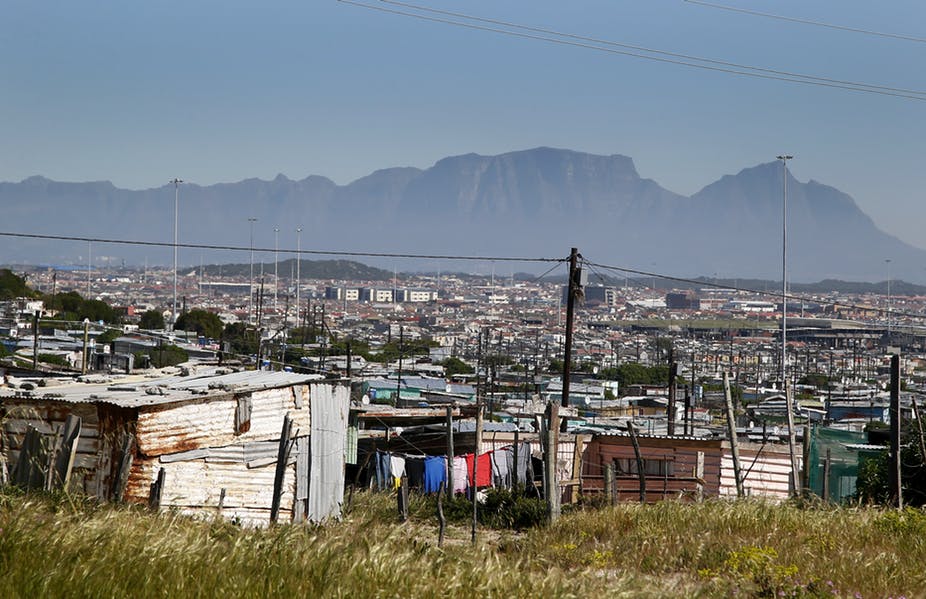
People in the township of Khayelitsha near Cape Town have been managing water shortages for ages.

 Discussions of the water crisis that has hit Cape Town tend to focus on supply and demand. In other words, a severe and unusual drought has created a situation in which there is not enough water (supply) to meet people’s needs (demand).

The City of Cape Town is focused on increasing supply through use of aquifers and temporary desalination and decreasing demand through restrictions. It announced an impending Day Zero, now pegged for July, as the day when water will be cut off and people will be forced to collect water from one of 200 collection points.

Water shortages aren’t just being felt in the Western Cape. Other parts of the country, such as the Eastern Cape and KwaZulu-Natal, are also being affected by drought and most major metros have introduced water restrictions.

The G20’s new guidelines will help investors tackle climate change

The G20's new guidelines will help investors tackle climate change

Rosemary Sainty, University of Technology Sydney

New guidelines being presented to the G20 this weekend will change the way individuals, companies, investors and regulators manage the financial risks of climate change. These risks include physical events, such as changing weather patterns and natural disasters, as well as new technologies and regulations.

As big investors adopt the guidelines, the companies in their portfolios will be pressured to report on climate change. This will make it easier for investors of all kinds to understand the impacts of climate change on their portfolios, and to assess new opportunities, such as new products and services that will be required and developed.

Companies like BHP have already begun reporting on how climate change will affect their businesses. But, until now, corporate disclosure on climate change has been patchy, shallow and not always financially relevant.

The new guidelines will create a common language for talking about climate change as a financial risk. This will drive more detailed reporting on how climate change is impacting investment portfolios, investment decisions, financial performance and strategies to manage the risk.

Why the future of Africa’s forests and savannas is under threat

Why the future of Africa's forests and savannas is under threat

File 20170706 5026 qkev0u
Tropical forests in the Congo for example have exceptionally high animal and plant species. Shutterstock

Julie C. Aleman, Yale University

Tropical Africa has two distinct features – rain forests which are dominated by trees and savannas which are dominated by grasses. Both depend on rainfall quantity and seasonality. Seasonality measures how constant the distribution of rainfall over the course of a year is – in other words how long the dry season is.